
Ever wondered why those empty aluminum cans cluttering your garage deserve a second look? It turns out they’re not just recycling fodder—they’re a treasure trove waiting to be cashed in. With the price of aluminum cans per pound fluctuating more than a cat on a hot tin roof, knowing the current market can help anyone turn trash into cash.
Overview of Aluminum Cans Pricing
Aluminum cans hold significant value in recycling markets. Understanding their pricing trends helps individuals maximize potential earnings.
Current Market Trends
Aluminum can prices currently fluctuate based on demand and supply dynamics. Recent data indicates prices range from $0.50 to $0.75 per pound, with variations tied to geographical location and recycling facility rates. Many recyclers offer incentives for larger quantities, driving increased collection efforts. Seasonal changes often affect market demand; for instance, summer months typically see higher aluminum sales due to increased beverage consumption. Changes in global aluminum markets also influence local recycling rates, affecting prices significantly.
Historical Price Fluctuations
Price trends have shown notable shifts over the past decade. In 2015, aluminum cans averaged about $0.30 per pound. Growth occurred over the years, peaking around 2021 when prices reached approximately $0.90 per pound. Economic factors, including production costs and import tariffs, play roles in these price movements. Past recessions saw declines in pricing, impacting recycling initiatives. Overall, historical analysis of aluminum can prices helps contextualize current market values and informs future expectations.
Factors Influencing Aluminum Cans Price Per Pound
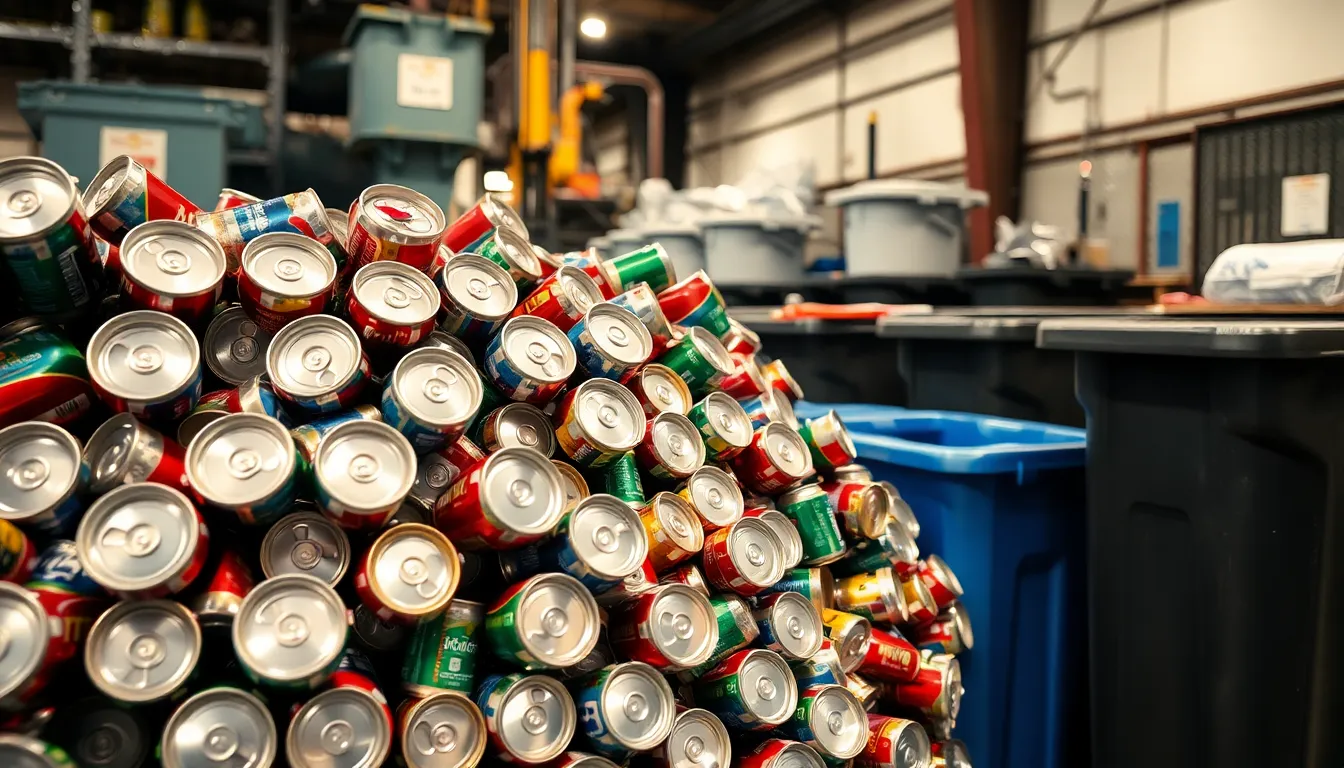
Understanding the nuances that impact the price of aluminum cans aids in maximizing potential earnings. Several key factors determine the value per pound.
Global Supply and Demand
Global supply and demand significantly influence aluminum can pricing. When demand increases, particularly during peak beverage seasons, prices often rise. Conversely, an oversupply in the market can drive prices down. Economic conditions also play a critical role; for instance, during times of strong economic growth, demand tends to increase as consumption rises. The demand for aluminum cans often correlates with industries like beverage manufacturing, further affecting price dynamics.
Recycling Rates and Sustainability
Recycling rates impact aluminum can prices directly. Higher recycling rates mean increased supply, which could lower prices. Conversely, lower rates can create scarcity and push prices higher. Sustainability efforts also enhance recycling initiatives, making it crucial for industries to focus on recyclable materials. Consumers increasingly prefer products with eco-friendly packaging, driving up demand for recycled aluminum. Increased sustainability awareness can contribute to a stable market for aluminum cans, ultimately influencing pricing trends.
Regional Variations in Pricing
Regional variations significantly impact the pricing of aluminum cans. Understanding these differences can help individuals maximize profit.
North America
In North America, aluminum can prices typically range from $0.50 to $0.75 per pound. Demand fluctuates based on beverage consumption patterns, with summer months usually seeing spikes in prices due to increased sales of cans. Higher recycling rates in areas like California can lead to more competitive pricing, while regions with limited recycling programs might experience lower demand and prices. Economic conditions, such as growth or economic downturns, play a crucial role as well, influencing consumer behavior and market stability.
Europe
European markets present unique pricing dynamics for aluminum cans. Prices often vary between €0.40 and €0.60 per pound, reflecting local market conditions and recycling efficiencies. Countries with stricter recycling regulations, like Germany, tend to see higher prices due to better recovery rates. Seasonal factors also impact pricing; summer months can prompt increased consumer demand, influencing the overall market. Additionally, the economic landscape across Europe affects pricing, with higher demand often aligning with stronger economic performance.
Where to Buy and Sell Aluminum Cans
Finding the right places to buy and sell aluminum cans can significantly boost profit margins. Exploring local options and online solutions leads to better pricing and convenience.
Local Recycling Centers
Local recycling centers serve as primary venues for selling aluminum cans. Many centers pay cash based on current pricing trends, which fluctuate between $0.50 and $0.75 per pound. Individuals can drop off cans, enjoying swift transactions. Some recycling centers also offer promotional events, providing additional incentives to recycle more. Geographic location influences center prices, often reflecting nearby demand and supply. To discover prices specific to a region, individuals can contact centers directly.
Online Marketplaces
Online marketplaces provide an alternative for buying and selling aluminum cans. Platforms such as Craigslist and Facebook Marketplace allow individuals to list cans, connecting directly with buyers. Sellers can set competitive prices based on the prevailing market rate. These platforms also facilitate bulk sales, making it easier to move larger quantities. Online transactions often include shipping options, expanding the reach beyond local boundaries. Browsing recent listings highlights price trends and helps identify optimal selling strategies.
Understanding the price per pound of aluminum cans is essential for anyone looking to turn recycling into a profitable venture. By staying informed about market trends and seasonal fluctuations, individuals can maximize their earnings. The impact of local demand and recycling rates further emphasizes the need for awareness in this market.
With the right knowledge and resources, turning empty aluminum cans into cash is not just possible but can be quite rewarding. Engaging with local recycling centers or exploring online marketplaces can enhance profit margins. As consumer preferences shift toward eco-friendly solutions, the future of aluminum can recycling looks promising, making it an opportune time to get involved.