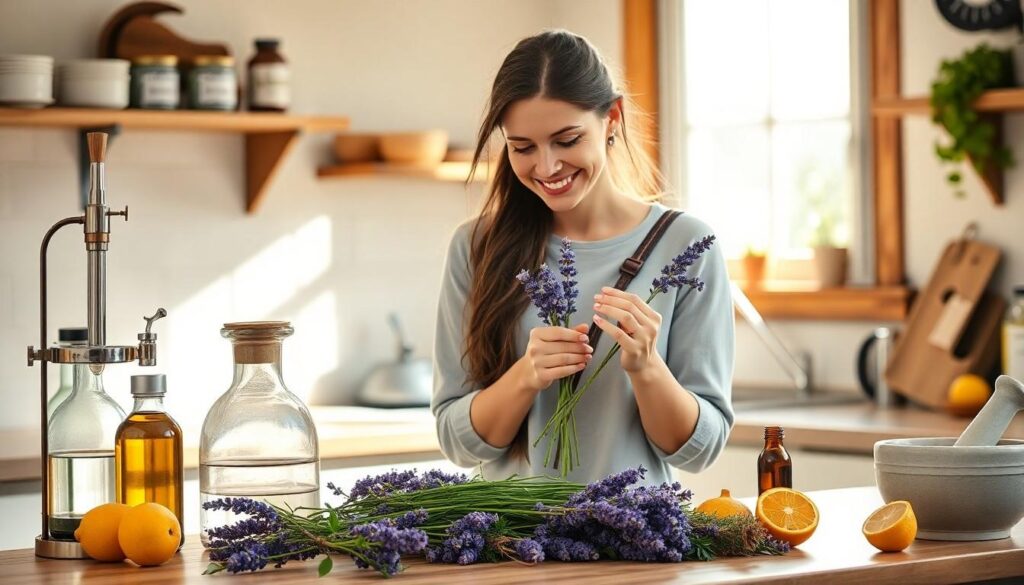

Imagine transforming your kitchen into a fragrant oasis where stress melts away and relaxation reigns supreme. Making essential oils at home isn’t just a delightful hobby; it’s a pathway to crafting your own aromatic masterpieces. Who needs overpriced store-bought oils when you can harness nature’s goodness right from your backyard?
Understanding Essential Oils
Essential oils are concentrated plant extracts that capture the essence of their source. These oils contain the natural aroma and beneficial properties of herbs, flowers, and trees.
What Are Essential Oils?
Essential oils derive from various parts of plants, including leaves, flowers, stems, and roots. Extraction methods include steam distillation, cold pressing, or solvent extraction. Each method influences the oil’s scent and therapeutic properties. Popular examples include lavender, eucalyptus, and peppermint. These oils feature unique chemical compounds that may offer aromatherapeutic benefits.
Benefits of Using Essential Oils
Using essential oils can enhance physical and emotional well-being. These oils may alleviate stress, improve sleep, or boost mood. Aromatherapy can provide relief from headaches or respiratory issues. Furthermore, essential oils can serve as natural alternatives to chemical-laden products. They might also possess antimicrobial properties, promoting a cleaner environment. Many individuals find pleasure in customizing blends to match their preferences.
Methods for Making Essential Oils at Home

Creating essential oils at home involves several methods that utilize different extraction techniques. Each method produces distinct oils, capturing unique properties and scents.
Steam Distillation
Steam distillation serves as the most popular method for extracting essential oils. This process involves passing steam through plant material, which causes the plant cells to release essential oils. The steam carries these oils into a condenser, where they cool and separate from the water. Common plants suitable for this method include lavender, eucalyptus, and peppermint. When using steam distillation, maintaining correct temperature and steam flow is crucial for maximizing yield and quality of the oils.
Cold Press Extraction
Cold press extraction efficiently extracts oils from citrus fruits like oranges and lemons. In this method, mechanical pressure is applied to the peels, releasing the oils without using heat. This process preserves the delicate compounds found in citrus oils, producing a fresh, vibrant scent. Additionally, cold pressing retains the oils’ therapeutic properties. Selecting ripe, high-quality fruits enhances the final product’s aroma and efficacy.
Solvent Extraction
Solvent extraction plays a vital role in obtaining essential oils from delicate flowers and leaves. This method uses a solvent, like ethanol, to dissolve the aromatic compounds in the plant material. After the oil-solvent mixture undergoes evaporation, the essential oil remains. Notably, this method is effective for extracting fragrances from flowers such as jasmine and rose. Careful handling of solvents ensures safety while enhancing the quality of the final oil product.
Selecting the Right Ingredients
Selecting the right ingredients is essential for making high-quality essential oils. The choice of plants significantly impacts both the aroma and therapeutic properties.
Choosing the Best Plants
For optimal results, consider using plants known for their aromatic qualities. Lavender, eucalyptus, and peppermint rank high on the list. Fresh plants yield better oils than dried ones. Focus on organic options to avoid pesticides and chemicals that could compromise quality. Distinct parts of plants like leaves, flowers, and citrus peels all produce unique scents and properties. Basil and rosemary also enhance culinary applications while delivering aromatic benefits. Aim for seasonal plants as they typically offer the freshest and most potent fragrances.
Sourcing Quality Materials
Sourcing quality materials enhances the essential oil-making process. Organic farmers markets often provide fresh and chemical-free options. Local herbal shops may carry a variety of dried herbs and botanical ingredients. Online retailers with good reputations also present convenient choices, offering a wide selection of plant materials. Checking for certifications ensures products meet organic standards. Verifying the sources of essential oils is crucial as purity affects therapeutic benefits. Packages should include details about plant origin and extraction methods as these factors inform quality.
Step-by-Step Guide to Making Essential Oils
Creating essential oils at home requires the right approach and tools. Following the proper steps ensures that the process is straightforward and rewarding.
Equipment You’ll Need
Gather a few essential tools before starting. Use a distiller for steam distillation, which separates essential oils from plant material efficiently. Invest in a mortar and pestle to crush leaves and enhance oil extraction. Rely on storage containers, like glass bottles, to keep the oils safe and preserve their quality. Obtain a heat source, such as a stovetop, for distillation. A set of fine mesh strainers or cheesecloth is necessary to filter out residue. Each item contributes significantly to the overall success of your oil-making efforts.
Detailed Process for Each Method
Follow specific steps for each extraction method. For steam distillation, place fresh plant material in the distiller’s chamber, then heat water to produce steam. Capture the oil as steam passes through the plant matter. Cold press extraction requires applying mechanical pressure to citrus peels; press them forcefully and collect the released oil. Utilize solvent extraction for delicate flowers; mix them with a solvent and strain the mixture to obtain the aromatic compounds. Each method offers unique oils, so choose based on desired fragrance and properties.
Storage and Usage of Essential Oils
Proper storage and usage ensures the longevity and effectiveness of essential oils. Choosing the right containers is essential for preserving their aromas and properties.
Proper Storage Techniques
Dark glass bottles, such as amber or cobalt, shield essential oils from UV light, which can degrade their quality. Closely sealing containers prevents oxidation and evaporation, maintaining potency. Storing oils in a cool, dry place also extends shelf life, avoiding heat and humidity that can alter their composition. Labeling bottles with names and extraction dates makes it easier to identify oils and monitor freshness. An ideal temperature range for storage falls between 60°F and 70°F, ensuring optimal conditions for preservation.
How to Use Essential Oils Safely
Using essential oils requires care to avoid adverse reactions. Dilution with carrier oils, such as coconut or jojoba, minimizes skin sensitivity and enhances safety during topical application. Performing a patch test on a small skin area offers insight into potential allergic reactions. Inhalation methods, using diffusers or steam, provide aromatherapy benefits while preventing overexposure to concentrated oils. Pregnant individuals and those with health conditions should consult healthcare professionals before use. Keeping essential oils out of reach of children and pets is crucial for safety and prevention of accidental ingestion.
Making essential oils at home opens up a world of aromatic possibilities. It empowers individuals to create personalized blends that enhance their well-being and transform their living spaces. By following the outlined extraction methods and utilizing fresh organic ingredients, anyone can produce high-quality oils tailored to their preferences.
Proper storage and safe usage practices ensure that these oils remain effective and enjoyable for longer periods. As they explore this rewarding hobby, individuals can reap the benefits of natural aromatherapy while enjoying the satisfaction of crafting their own essential oils. With creativity and care, the journey into homemade essential oils can lead to a healthier and more fragrant lifestyle.